Equities · Education
The Lesson of Larry Livingston: What Jesse Livermore Wants You to Know
The Big Money Is Made in the Sitting
Bull, Bear, Bust · 12 October 2025 · 10 min read
Dear Client,
Let me tell you a story. It is an old story, nearly a hundred years old now. But like all true stories about markets and human nature, it never ages.
KEY POINTS A quick-read snapshot of this newsletter's commentary
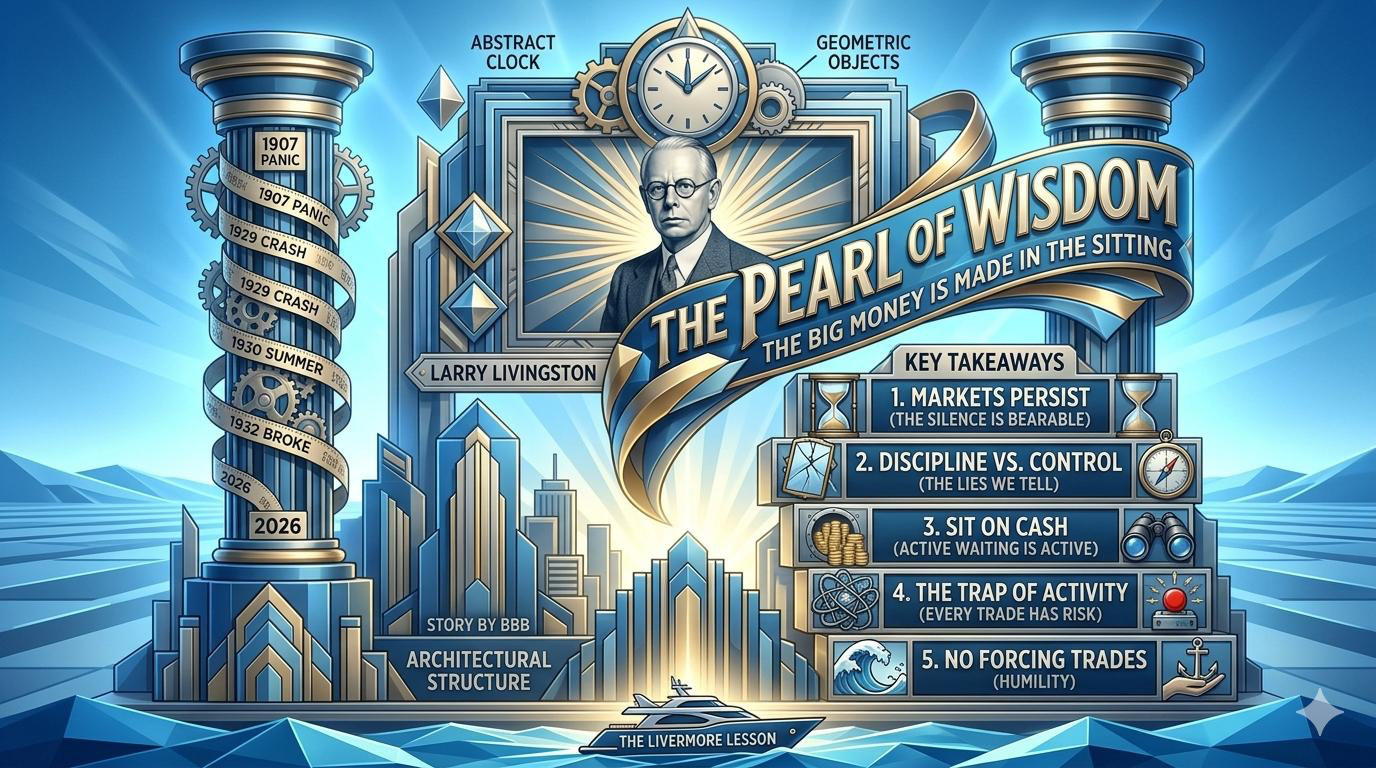
▸ Jesse Livermore, called Larry Livingston in the book, was the greatest stock speculator America ever produced. He correctly called the 1907 panic, the 1914 war and the 1929 crash, yet he died broke in 1940. ▸ After making one hundred million dollars in the 1929 crash, he could not sit still in the summer of 1930. He started trading again, and by the end of 1930 he had lost forty percent of his fortune. By 1932 he was broke. ▸ Even the greatest trader in history could not outrun the basic laws of human psychology. Knowing yourself is not the same as controlling yourself. ▸ His pearl of wisdom: "It never was my thinking that made the big money for me. It always was my sitting." ▸ The market punishes activity. Every trade has a cost and a risk, and the more cash you hold when there is nothing to do, the more dry powder you have when opportunity arrives. ▸ We are sitting on forty percent cash and watching our short positions in semiconductors. This is active waiting, not passive waiting. The tape is quiet, and when it speaks, we will act. |
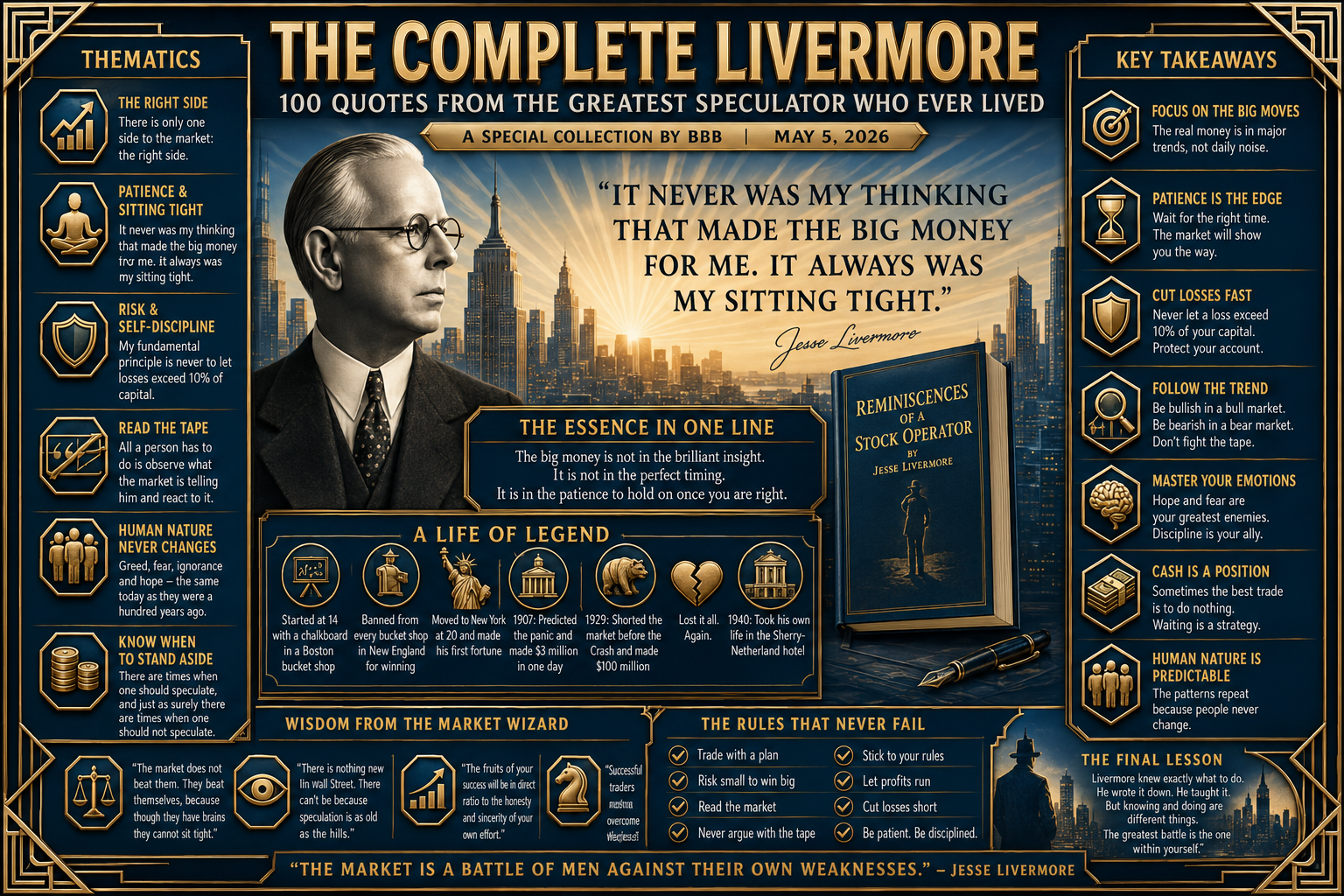
The man's real name was Jesse Livermore. In the book, they called him Larry Livingston. He was the greatest stock speculator America ever produced. He made and lost four fortunes in the early 1900s. He operated out of private offices with sixty tickers and a dozen assistants. He correctly called the 1907 panic, the 1914 war, and the 1929 crash — shorting the market all the way down and pocketing one hundred million dollars in a single month.
And yet, when he died in 1940, he was broke.
The question that has haunted traders for generations is simple. How could the same man who read the tape better than anyone, who timed the greatest crash in history with surgical precision, who turned one hundred thousand dollars into one hundred million dollars — how could that man die penniless?
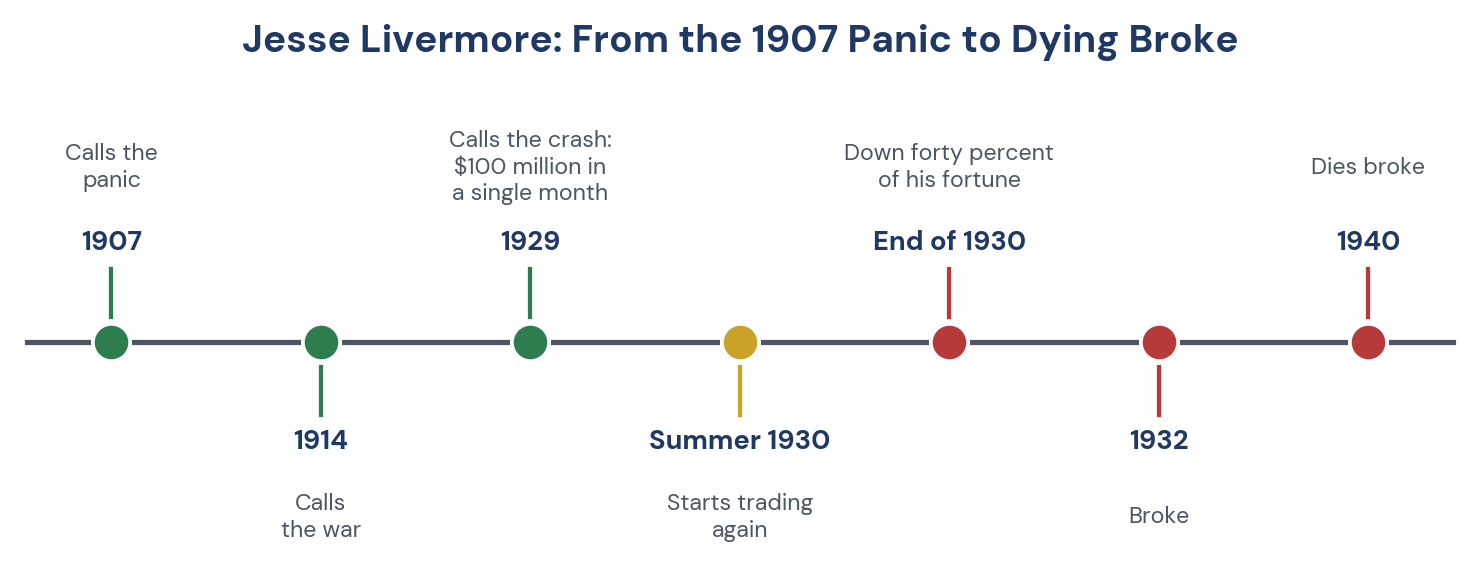 Figure 1. Jesse Livermore: his calls, his collapse and his death, 1907 to 1940.
The answer is the lesson. And it is the most important thing Jesse Livermore ever learned. He learned it late. He learned it the hard way. He wanted you to learn it without the pain.
The Summer of 1930
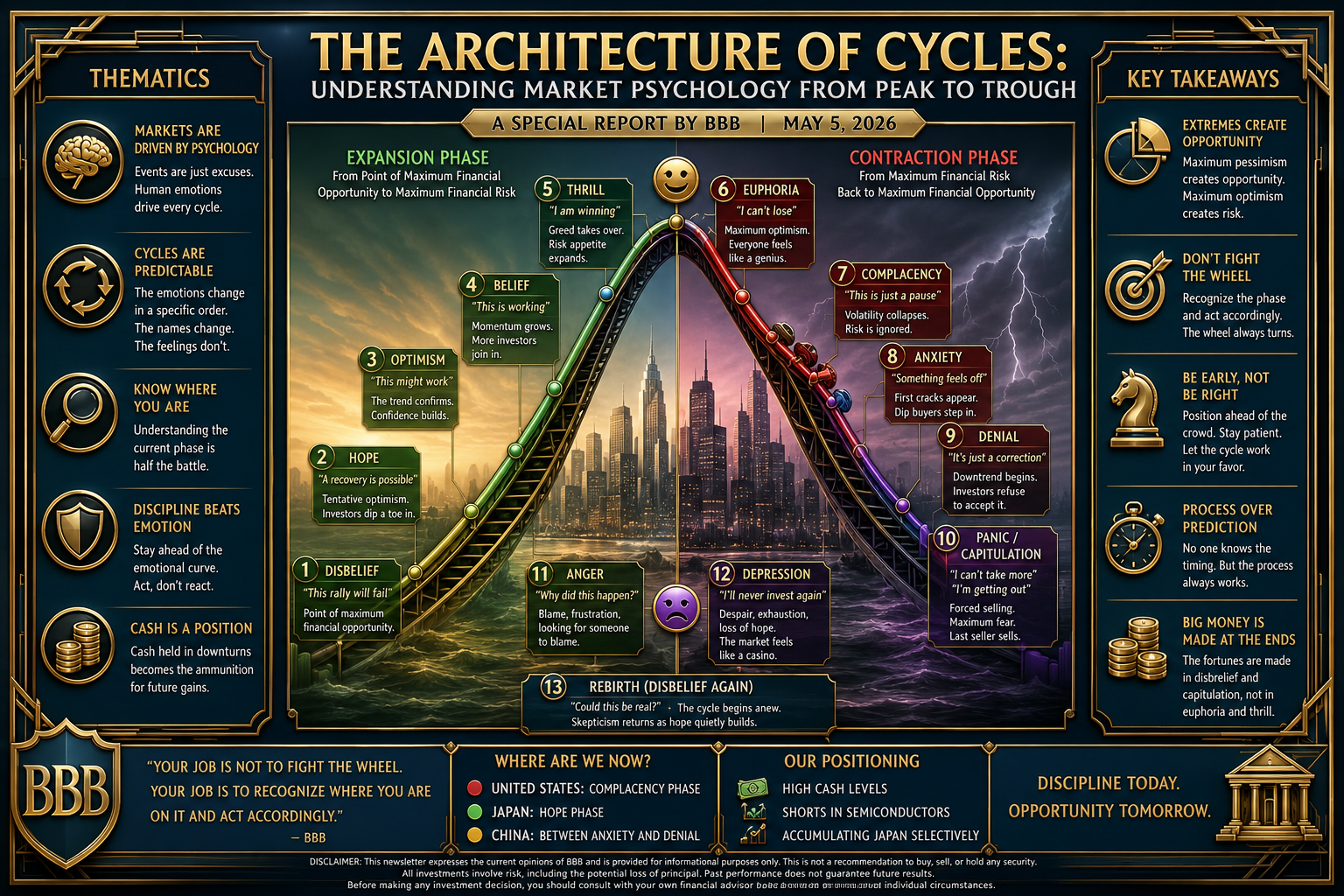
Let me take you to the summer of 1930. The crash had happened the previous October. Livermore had seen it coming. He had sold everything short. When the dust settled, he had made one hundred million dollars. That is roughly two billion dollars in today's money.
He was fifty-three years old. He had a private office in the most expensive building in Manhattan. He had a yacht. He had a reputation as the greatest living trader. And he had a problem.
The problem was that he could not sit still.
Livermore had spent his entire career trading. That was his genius and his curse. He saw patterns in price movements that no one else could see. He felt the tape in his bones. He knew when to buy and when to sell with an instinct that bordered on the supernatural. But in the summer of 1930, after the greatest trade of his life, he had nothing to trade.
The market was dead. The crash had done its damage. The country was sliding into the Great Depression. Stocks were neither cheap enough to buy nor expensive enough to short. The tape offered nothing but noise.
Livermore should have gone to Florida. He should have sailed his yacht to the Caribbean. He should have sat on the beach and waited for the next opportunity. But the silence was unbearable. He had spent thirty years listening to the ticker. Without its chatter, he felt lost.
So he started trading again. Small positions at first. Then bigger ones. He told himself he was just staying sharp. He told himself he was testing the waters. He told himself that a man with one hundred million dollars could afford a few small trades.
The Bleeding Begins
The small trades lost money. Livermore shrugged. Every trader loses. He made bigger trades to make it back. Those lost money too. He told himself he was just unlucky. He told himself the conditions were unusual. He told himself he would stop when he got back to even.
But the market does not care about your excuses. It does not care about your track record. It does not care about your yacht or your reputation. The market only cares about price.
By the end of 1930, Livermore had lost forty percent of his fortune. He was not panicking. He had come back from worse. But he was bleeding. And he could not stop the bleeding because he could not stop trading.
This is the part of the story that Livermore wanted you to understand. He knew the market. He knew the tape. He knew himself. But knowing yourself is not the same as controlling yourself. He knew he should stop. He knew he should go to Florida. He knew he should wait for the next clear signal. But he did not have the discipline to follow his own knowledge.
The Lies We Tell Ourselves
Livermore started telling himself stories. The market will come back. This is just a temporary setback. I have survived worse. I am Jesse Livermore. I cannot fail.
These lies are dangerous. They are dangerous because they contain a grain of truth. Livermore had survived worse. He had come back from bankruptcy more than once. His confidence was earned. But confidence earned in one market regime does not transfer to another. Every market is different. Every account is new. The past is not a promise. It is just the past.
By 1932, Livermore was broke. The one hundred million dollars was gone. The yacht was sold. The private office was closed. He had done what so many traders do: he had taken a fortune and given it back because he refused to sit on cash.
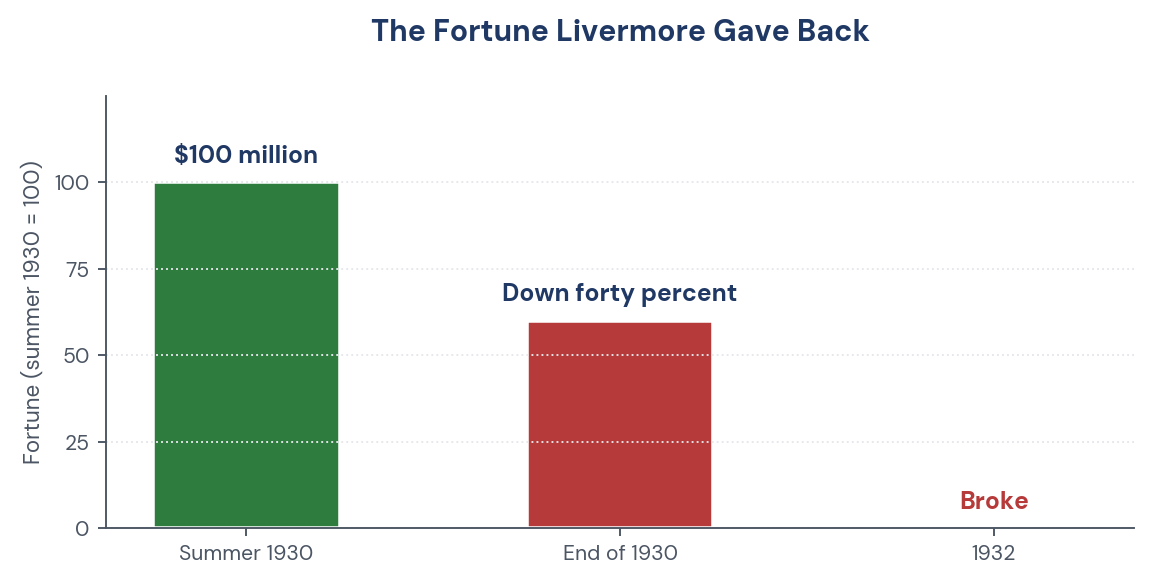 Figure 2. The fortune Livermore gave back: summer 1930 to 1932.
The lesson is not that Livermore was a failure. The lesson is that even the greatest trader in history could not outrun the basic laws of human psychology. He needed to be in the game. He needed to feel the action. He needed to prove he was still the man who had called the 1929 crash. And those needs destroyed him.
The Pearl of Wisdom
Here is the pearl. Livermore wrote it himself in the pages of Reminiscences. Read it slowly. Read it twice.
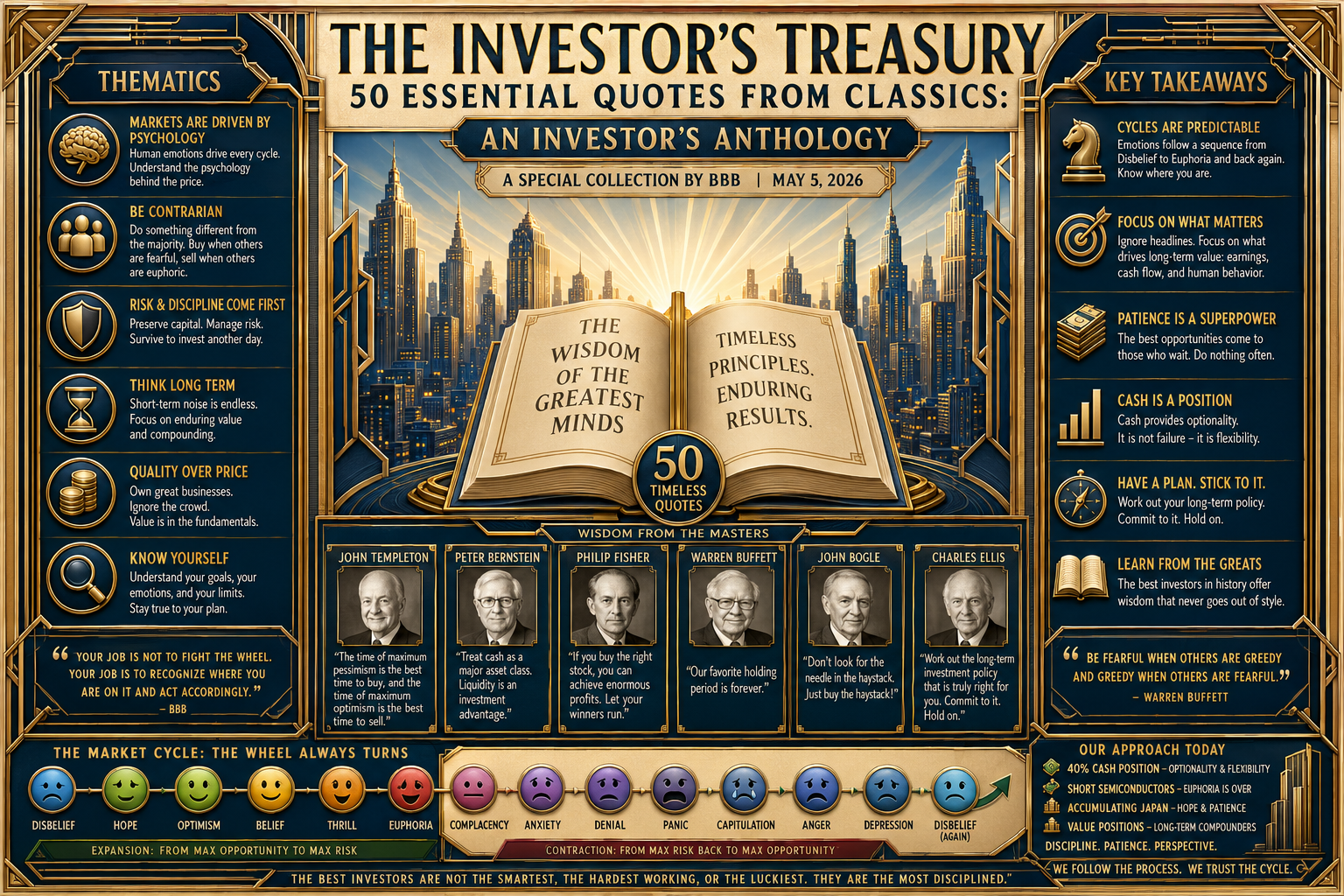
"The speculator's deadly enemies are: Ignorance, Greed, Fear, and Hope. The big money is not in the individual fluctuations. It is in the main movements, the big swings that take months to mature. It never was my thinking that made the big money for me. It always was my sitting."
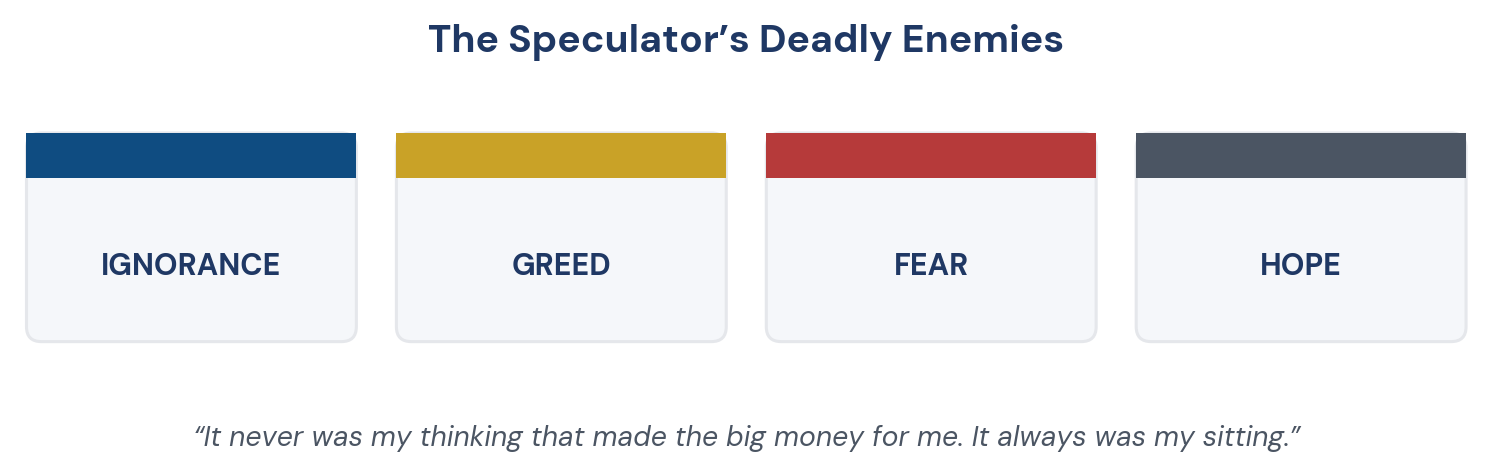 Figure 3. The speculator's four deadly enemies, from Livermore's Reminiscences.
Sitting. Not trading. Not predicting. Not proving. Sitting.
The big money is made in the waiting. Livermore knew this. He had made his greatest profits by sitting through long bull markets and long bear markets, not by jumping in and out of every fluctuation. But knowing the truth and living the truth are two different things. In the summer of 1930, he forgot how to sit. And that forgetting cost him everything.
The Trap of Activity
The trap Livermore fell into is the same trap that catches investors every day. We feel like we must do something. We feel like holding cash is failure. We feel like sitting still is laziness. We feel like the market will punish us if we are not constantly engaged.
This is backwards. The market punishes activity. Every trade has a cost. Every trade has a risk. Every trade exposes you to the possibility of error. The fewer trades you make, the fewer errors you make. The longer you hold your winners, the more they compound. The more cash you hold when there is nothing to do, the more dry powder you have when opportunity finally arrives.
Livermore knew this. He wrote about it. He taught it to anyone who would listen. But he could not live it. And that is the tragedy of his life.
The Application to Today
Let me bring this lesson forward to our own time. We are sitting on forty percent cash. The market is expensive. The trends are stretched. The geopolitical risks are real. The signals are mixed.
We are doing nothing. Not because we are lazy. Because we are waiting. The big money is made in the sitting.
The AI boom is real. The semiconductor demand is real. The capex cycle is real. But the prices are not right. The valuations are not attractive. The margin of safety is not there. So we sit. We hold our cash. We watch our short positions in semiconductors. We add small amounts to hated sectors like financials and healthcare. But mostly, we sit.
This is not passive. This is active waiting. Active waiting means staying informed. It means updating our screens. It means watching our triggers. It means being ready to act the moment our conditions are met. But it does not mean forcing trades. It does not mean inventing opportunities where none exist. It does not mean proving anything to anyone.
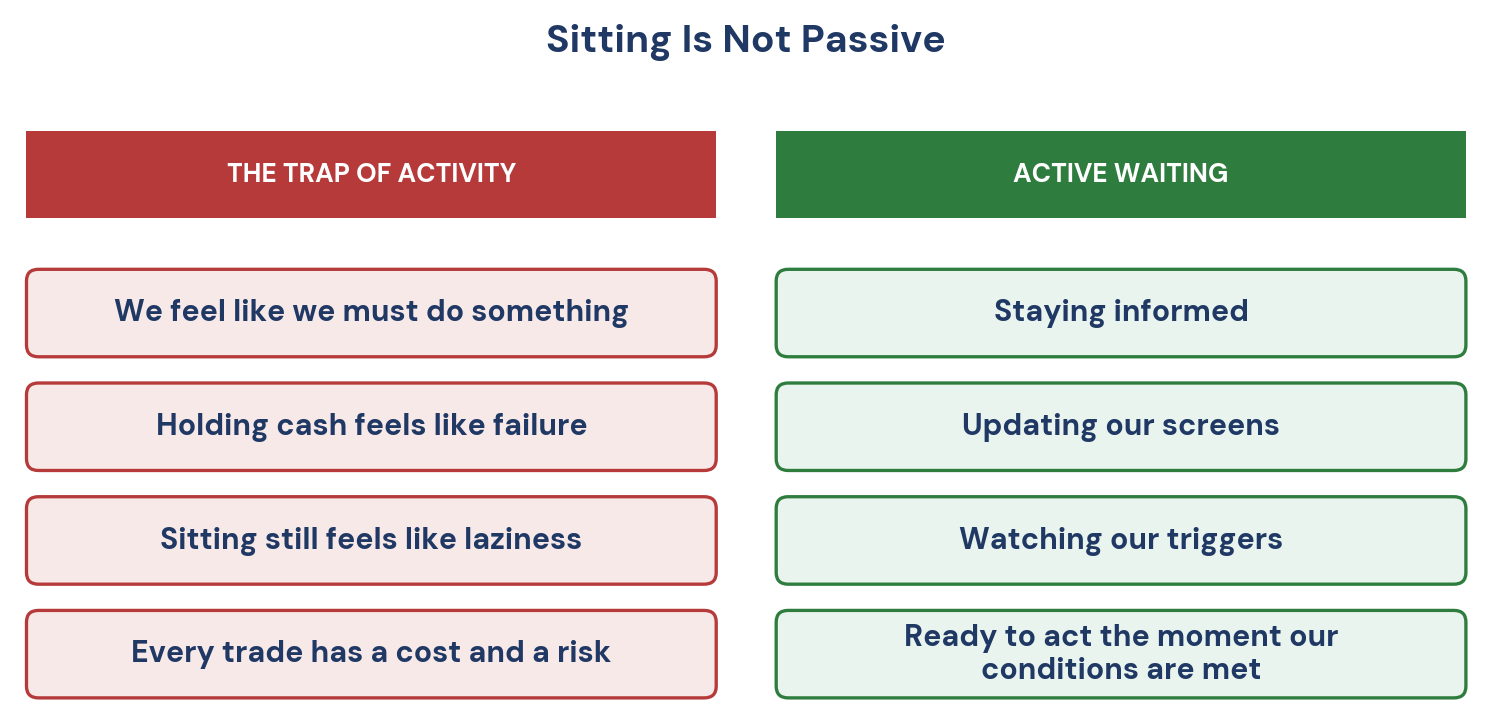 Figure 4. The trap of activity against active waiting.
The Test of Character
Livermore passed every test the market gave him except one. He could not sit on cash. He could not tolerate the silence. He could not accept that sometimes the best trade is no trade at all.
That is the test we face today. The market has been good to us for a long time. The natural human response is to keep pressing. Keep trading. Keep winning. But the market does not owe us anything. The past does not guarantee the future. The only thing we control is our own discipline.
We are choosing discipline. We are choosing patience. We are choosing to sit on our hands until the prices are right. This is not exciting. It does not make for dramatic newsletters. But it is the only path to long-term survival. Livermore learned that lesson too late. We are learning it from his mistake.
The Final Line
Here is what Jesse Livermore wanted you to know. The market is always there. It will be there tomorrow. It will be there next year. It will be there when you are ready. You do not need to trade today. You do not need to trade this week. You do not need to prove anything to anyone.
What you need is the patience to wait for the right moment. The discipline to sit on cash when nothing is clear. The humility to accept that you cannot force the market to do what you want.
The big money is never made in the trading. It is always made in the sitting.
Livermore wrote that line. He believed it with all his heart. And then he proved how hard it is to live.
We are not better than Livermore. We are not smarter. We are not more disciplined. We are simply trying to learn from his mistakes so we do not have to make them ourselves.
The tape is quiet. We are sitting. When the tape speaks, we will act. Not before.
That is the lesson. That is the pearl. That is the only edge that lasts.
Sincerely,
Bull Bear Bust
DISCLAIMER This newsletter is published for informational and educational purposes only. Nothing contained herein constitutes investment advice, a solicitation, or a recommendation to buy or sell any financial instrument. All investment involves risk, including the loss of principal. Past commentary does not guarantee future results. Any views expressed are those of the author as of the date of publication and are subject to change without notice. Please consult a licensed financial advisor before making any investment decisions. |